Music Theory Remixed
The modern all-rounder I use in my own theory courses — pop, rock, and jazz alongside classical, with Spotify playlists, covering four semesters of theory.
Expert recommendations for every level, from self-taught beginners to doctoral students. Curated by a music educator.
Disclosure: As an Amazon Associate, I earn from qualifying purchases. I only recommend books I personally use and believe in. Your support helps keep this site running!
Short on time? These are the standouts — full reviews below.
The modern all-rounder I use in my own theory courses — pop, rock, and jazz alongside classical, with Spotify playlists, covering four semesters of theory.
A well-respected college text whose spiral-bound edition is a practical, affordable way to get a full theory curriculum with online resources.
The most comprehensive series available — 2,320 pages with workbooks and aural skills — a significant investment that serious students consistently praise.
The staple of every jazz musician's library — if you get one jazz theory book, get this one.
Last updated: July 2026
Choosing a music theory textbook is a significant decision. The right book can clarify concepts that seemed impenetrable; the wrong one can make the subject feel more obscure than it needs to be. After years of teaching at the college level and pursuing doctoral studies at USC, I've worked through dozens of theory texts and developed strong opinions about which ones serve students best.
The recommendations below reflect what I actually use in my courses and reference in my own work. I've organized them by focus area rather than difficulty, since a jazz musician's "beginner" book differs substantially from a classical composition student's starting point. Where relevant, I've noted which texts I use in my own classroom.
| Book | Best For | Level | Approach |
|---|---|---|---|
| Music Theory Remixed | Contemporary musicians | Beginner to Advanced | Pop, rock, jazz + classical |
| Tonal Harmony | Classical tradition | Beginner to Intermediate | Traditional harmony |
| The Complete Musician | Serious students | Beginner to Advanced | Comprehensive with ear training |
| Harmony and Voice Leading | Counterpoint focus | Intermediate to Advanced | Schenkerian approach |
| Concise Introduction to Tonal Harmony | Streamlined study | Beginner to Intermediate | Accessible, shorter text |
| The Jazz Theory Book | Jazz musicians | Intermediate | Chord-scale relationships |
| Introduction to Post-Tonal Theory | 20th/21st century music | Graduate | Set theory, serialism |
| Music Theory for Computer Musicians | Producers, beatmakers | Beginner | DAW-oriented |
Every musician should have a comprehensive theory textbook that covers functional harmony and touches on post-tonal techniques. These are my top picks for both classroom study and self-paced learning.
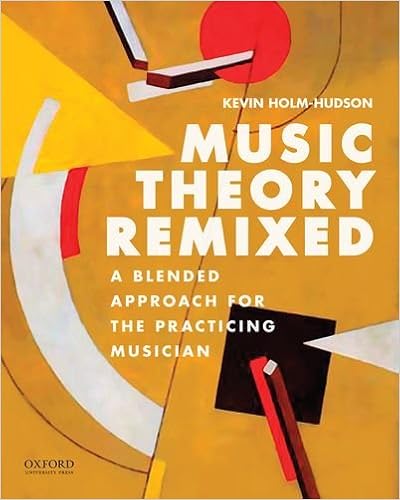
A modern approach incorporating jazz, pop, and rock alongside classical music. Features Spotify playlists and covers four semesters from intervals to serialism. I use this in my own theory courses.
View on Amazon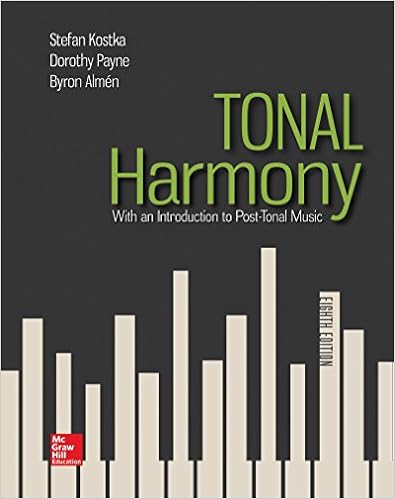
THE classic college music theory textbook, now in its 8th edition. The most widely used undergraduate text in the classical/concert tradition. I still reference mine constantly.
View on Amazon
Perhaps the most comprehensive series available with workbooks and aural skills components. A significant investment, but students consistently sing its praise. 2,320 pages total.
View on Amazon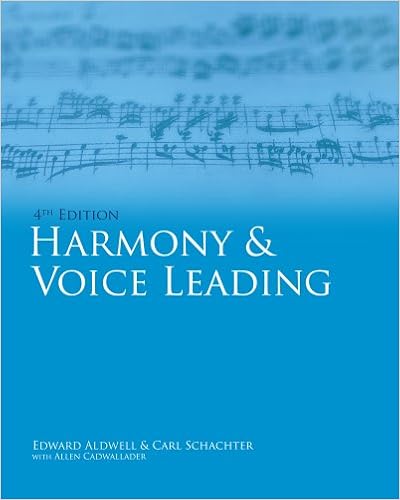
Voice leading rules all. Co-authored by Carl Schachter, arguably the most influential Schenkerian analyst since Schenker himself. The more experience I gain through both teaching and performing, the more I believe this philosophy. Essential for counterpoint-focused study, with an accompanying workbook.
View on Amazon
A well-respected text used in many colleges and universities. Like The Complete Musician, it has an accompanying workbook and comes with online access codes for student quizzes and resources. The spiral-bound version is a practical, affordable alternative.
View on Amazon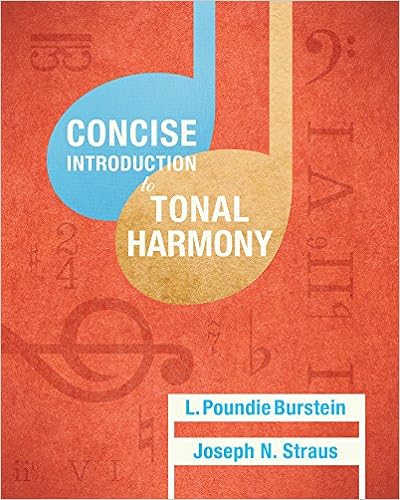
Dubbed "the theory text that students read and understand." Co-authored by Joseph Straus, famed author of Introduction to Post-Tonal Theory. A streamlined 380-page approach with an accompanying workbook. Features a web showcase to explore further.
View on Amazon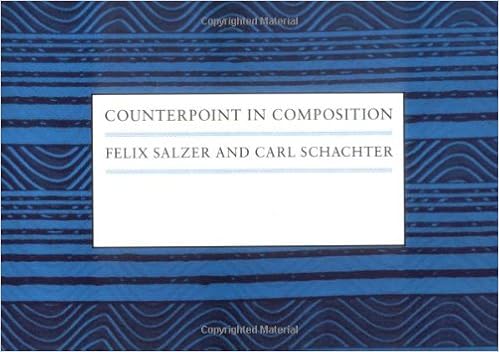
A deeper exploration of voice leading for those who have completed a general theory sequence. Co-authored by Schachter, this text bridges the gap between species counterpoint exercises and real compositional practice. Not an introductory text—best approached after familiarity with the concepts in Harmony and Voice Leading.
View on AmazonThese are the essential texts for understanding jazz harmony, chord-scale relationships, and improvisation theory.

A staple in every jazz musician's library. This book sparked my love of music theory in high school. I must admit it's heavy on chord-scale relationships, and I've come to view chord-scale theory as somewhat of a pedagogical dead end—but it nevertheless remains the best introduction to jazz theory. If you get one jazz book, get this. Also consider his companion volume, The Jazz Piano Book.
View on Amazon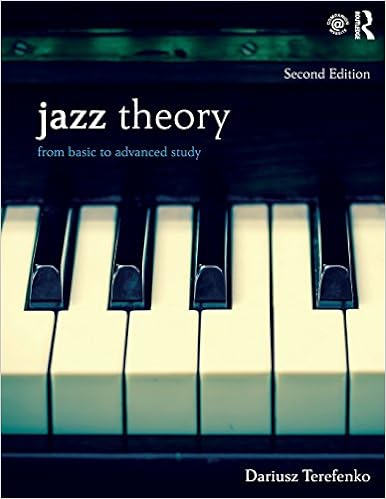
A new leader from an Eastman School of Music professor. Divided into basic, intermediate, and advanced sections with over 1,000 online exercises and recorded examples.
View on Amazon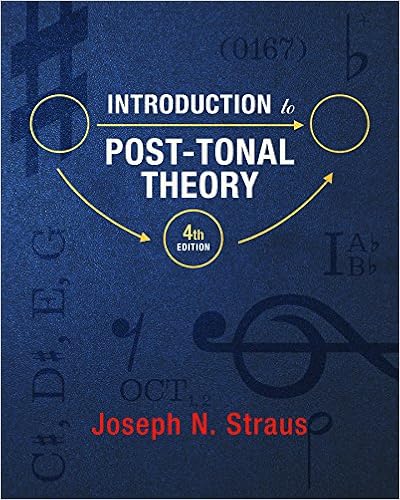
This book changed my life. Used in my doctoral post-tonal course at USC, I expected to hate it but came out loving it. THE standard text for post-tonal analysis. If you're unfamiliar with the subject, start here.
View on AmazonFor computer musicians and producers looking to strengthen their theory foundation. These texts cater specifically to the modern electronic music workflow.
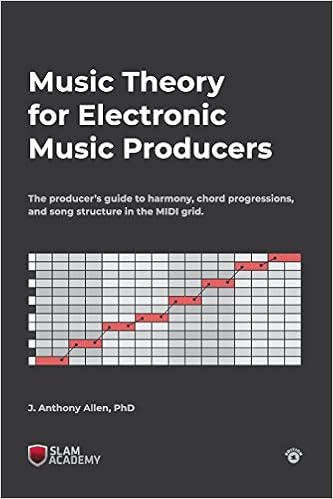
Covers basic theory and production software. Written by an experienced composer with a PhD in composition. Focuses on harmony, chord progressions, and song structure in the MIDI grid.
View on Amazon
The gold standard for computer musicians. Includes quizzes at the end of each chapter with online answer keys. Great for self-study. The fundamentals remain timeless.
View on AmazonThese books were recommended by YouTube music theory star Adam Neely. See his reviews in this video.
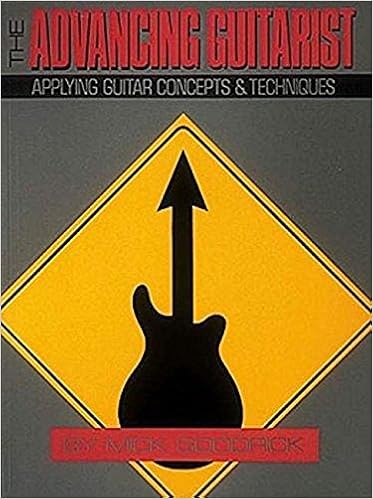
A thought-provoking approach to guitar mastery that goes beyond technique into musical thinking. Despite its compact size, this book has influenced countless professional guitarists.
View on Amazon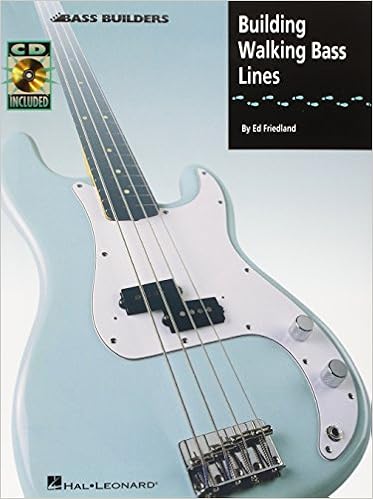
A practical, systematic approach to constructing bass lines over chord changes. Essential reading for bassists, but also valuable for any musician wanting to understand how bass lines propel harmony forward.
View on Amazon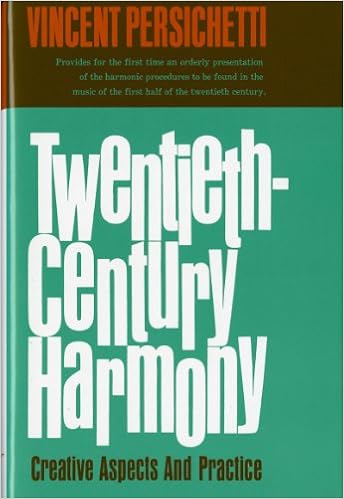
Creative aspects and practice of modern harmonic techniques. Essential reading for understanding contemporary composition.
View on Amazon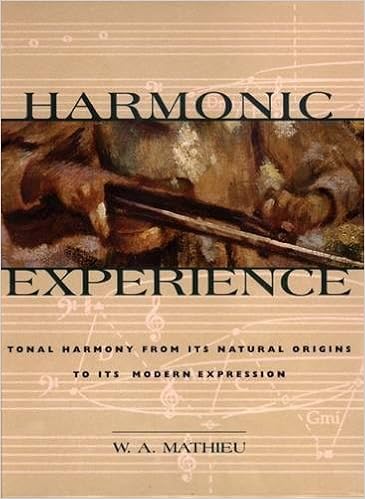
Tonal harmony from its natural origins to modern expression. A philosophical and practical deep dive into the nature of harmony.
View on Amazon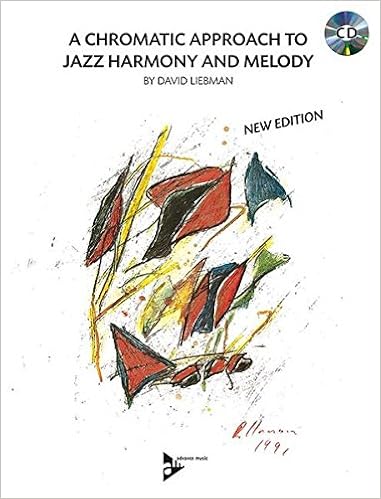
Advanced concepts for jazz improvisation exploring chromatic relationships and modern jazz harmony. For serious players.
View on AmazonWhat is the best music theory book for beginners?
For beginners, I recommend Music Theory Remixed by Kevin Holm-Hudson. It uses contemporary examples from pop, rock, and jazz alongside classical repertoire, making abstract concepts more accessible. The accompanying Spotify playlists let you hear examples immediately, which is invaluable for developing your ear alongside your analytical skills.
Is Mark Levine's Jazz Theory Book good for classical musicians?
Yes, with caveats. Levine's book is excellent for understanding chord-scale relationships and jazz harmony, concepts that transfer well to analyzing popular music and some 20th-century classical works. However, it assumes familiarity with jazz nomenclature and doesn't cover voice leading or counterpoint in the classical tradition. Classical musicians should treat it as a supplement, not a replacement, for traditional harmony texts.
What order should I study music theory books?
A typical sequence: Start with a comprehensive text like Tonal Harmony or Music Theory Remixed for fundamentals (intervals, scales, triads, voice leading, form). Then branch into your area of interest—jazz musicians should pick up Levine, while those interested in contemporary concert music should explore Straus's Post-Tonal Theory. Graduate students often add Aldwell & Schachter for deeper counterpoint study.
Can I learn music theory from books alone?
Books provide excellent foundational knowledge, but music theory is best learned through a combination of study, listening, and practice. Use books alongside ear training, analysis of actual scores, and ideally, playing or composing. The interactive tools on this site—like the ii-V-I flashcards and twelve-tone matrix generator—complement book study well.
Which book should graduate students use for post-tonal analysis?
Joseph Straus's Introduction to Post-Tonal Theory is the standard text used in most graduate programs, including my own doctoral studies at USC. It covers pitch-class set theory, twelve-tone technique, and provides clear analytical methods for 20th and 21st-century music. The fourth edition includes expanded coverage of rhythm and form.